


Sports Polo
Why Choose Us
Tailored Experience
We believe in personalised service. Our team works closely with you to understand your unique requirements, ensuring that every detail of your custom jerseys is perfect.
Innovative Designs
Our design team is constantly pushing boundaries to create cutting-edge, eye-catching designs. Whether you want a classic look or something completely out-of-the-box, we've got you covered.
Competitive Price
Quality doesn't have to come at a premium. We offer competitive pricing without compromising on the excellence that defines our products.
High Quality
We go the extra mile to ensure every jersey meets the highest standards of quality. From material selection to craftsmanship, our commitment to excellence is evident in every stitch.
What is Sports Polo
Sports polo is a team sport that involves players on horseback using mallets to hit a small ball through the opposing team's goal. The game is typically played on a field that is 300 yards long and 160 yards wide. Each team consists of four players, and each player is responsible for playing both offense and defense. The objective of the game is to score more goals than the opposing team within a set period of time. Sports polo requires the player to have excellent horsemanship skills, physical fitness, and coordination. It is often considered to be one of the most challenging sports in the world.


Advantages of Sports Polo
Versatility: Polo can be played on horseback or on foot, making it accessible to everyone regardless of their physical ability or location.
Socialization: Polo is a team sport, requiring players to communicate and work together to score goals. This fosters a sense of camaraderie and can be a great way to meet new people.
Fitness: Polo requires physical fitness and endurance, which can lead to improved health and well-being.
Mental Acuity: Polo is a strategic game that requires quick thinking and decision-making, which can help improve cognitive function.
Cultural Significance: Polo has a rich history and cultural significance in many countries, which can add to the enjoyment and interest of the sport.
Opportunity For Competition: Polo can be played at various levels of competition, from recreational to professional, giving players the opportunity to compete and challenge themselves.
Outdoor Activity: Polo is played outdoors, which can provide a sense of connection to nature and fresh air, and can be a great way to enjoy the outdoors.
Applications of Sports Polo
Some of the most significant applications of Sports Polo are
Recreation
Sports Polo is a popular leisure activity that people engage in for fun and enjoyment. It is an excellent way to get some exercise and socialize with friends and family.
01
Competition
Sports Polo is a highly competitive sport that is played at various levels, from amateur to professional, and at international events like the Olympics.
02
Team Building
Sports Polo involves teamwork, communication, and coordination, making it an excellent activity for team building and leadership development.
03
Health and Fitness
Sports Polo requires a high level of physical fitness, making it a great activity for maintaining a healthy lifestyle and improving cardiovascular health.
04
Equestrian Sport
Sports Polo is an equestrian sport that highlights the close relationship and communication between a rider and their horse, making it an essential training activity for horse riders.
05
Types of Sports Polo

Polo on Horseback
This is the traditional form of polo and involves two teams of four players each. The players ride horses and try to score by hitting a ball through the opposing team's goalposts.

Bicycle Polo
This type of polo is played on bicycles instead of horses. The teams have two to three players each and the game is played on a smaller field.
Segway Polo
This type of polo is played on Segways, which are self-balancing personal transportation devices. The rules are similar to traditional polo, but the game is played on a smaller field.

Canoe Polo
Also known as kayak polo, this type of polo is played on water in canoes or kayaks. The teams have five players each and the goalposts are suspended above the water.

Elephant Polo
This type of polo is played on elephants instead of horses. The players sit in baskets on the elephants' backs and use a long stick to hit the ball.

Snow Polo
This type of polo is played on snow instead of grass. The teams have three to four players each and the field is smaller than in traditional polo.

Beach Polo
This type of polo is played on sand instead of grass. The teams have three players each and the game is played on a smaller field.

Indoor Polo
This type of polo is played in an indoor arena on a smaller field than in traditional polo. The teams have three to four players each and the ball is often smaller and lighter.
How to Maintain Sports Polo
Wash it after every use. This helps remove sweat and dirt that can accumulate on your polo.
Follow the care instructions on the label. Make sure to check the instructions for washing and drying your specific polo to avoid any potential damage.
Use gentle detergents. Avoid using harsh detergents that can damage the fabric of your polo.
Don't use bleach. Bleach can damage the fabric of your polo and cause it to lose its color.
Wash polo shirts in cold water. This helps preserve the color and prevent shrinking of the fabric.
Hang your polo to dry. Avoid using a dryer, as it can damage the fabric and shrink your polo.
Iron your polo with care. Use a warm iron to avoid damaging the fabric, and avoid ironing over any appliques or logos.
What are Features of Sports Polo
Collar
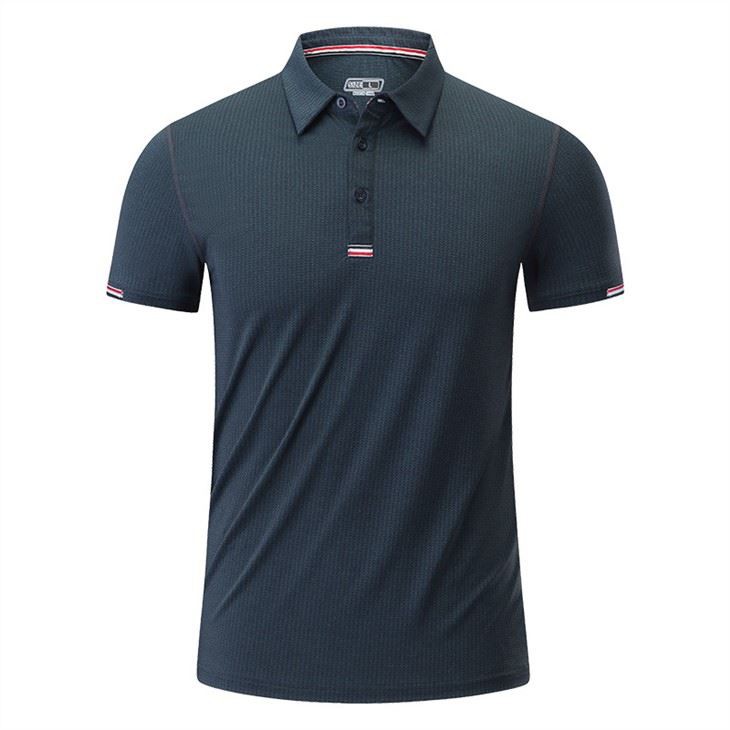
A sports polo typically has a collar, which adds to its formal and sophisticated look.
Short sleeves
The shirt features short sleeves that allow the wearer to move their arms freely while playing.
Breathable fabric
Sports polos are usually made of breathable fabrics such as cotton or polyester that help to wick moisture away from the body and keep the wearer cool.
Ventilation
Many sports polos have ventilation holes under the arms or on the back, which increase airflow and help to regulate body temperature.
Moisture-wicking technology
Some sports polos are constructed with advanced moisture-wicking technology that can help to keep the wearer dry, even during intense physical activity.
Lightweight
Most sports polos are lightweight and comfortable, making them easy to wear for extended periods.
Stretchy
Sports polos often contain stretchy materials such as spandex or elastane that allow for increased flexibility and range of motion.
Durable
Sports polos are designed to withstand the rigors of athletic competition and are often made with durable materials that can withstand wear and tear.
What are the Components of a Sports Polo
The components of a sports polo typically include
Collar
The collar is the raised section at the neck that is typically folded over.
Placket
The placket is the strip of fabric that runs down the middle of the chest and holds the buttons.
Buttons
The buttons are the fasteners that hold the placket together.

Sleeves
The sleeves are the parts of the shirt that cover the arms.
Hem
The hem is the bottom edge of the shirt.


Fabric
Sports polos are typically made from synthetic materials such as polyester or performance fabrics that wick moisture and are breathable.
Material: The material of the polo shirt is one of the most important factors to consider. It should be comfortable, durable, and breathable. Some common materials used for sports polo shirts include cotton, polyester, and spandex.
Fit: The fit of the shirt is important for comfort and freedom of movement. It should not be too tight or too loose. Consider the style of the shirt, its collar and the length of the sleeves.
Color: The color of the polo shirt can be important for team uniform or brand identity. Consider the colors of the team, or the colors that best represent any message that the sportswear represents.
Logo And Branding: The logo or branding on the polo shirt should be clear and noticeable. The placement and size should be appropriate for the sport or brand it represents.
Fabric Technology: Advanced moisture-wicking fabrics are available for sports polo shirts. The technology keeps sweat away from the body and maintains a comfortable temperature for the body.
Price: The price of the polo shirt is an important factor to consider. The quality of the material and the technology it uses dictates the price. It is important to find a balance between price and quality.
Game Requirements: Some sports require specific shirts of certain colors. Check for any specific requirements or regulations that need to be met.
Design: A unique and well-designed polo shirt can have a positive impact on the team’s morale and branding. The design should be consistent throughout the team if it is a uniform.
Lightweight And Breathable Material: The fabric of the polo suit is light and breathable, which can quickly wick away sweat and absorb moisture, keeping athletes dry and comfortable.
Anti-slip And Wear-resistant: The fabric of the polo suit has certain anti-slip and wear-resistant properties, which can provide better grip and friction to prevent athletes from sliding or falling during riding.
Adaptable To Various Temperature Conditions: The design of polo uniforms must consider the adaptability to different temperature conditions. Breathable and warm to adapt to competition conditions in different seasons and climates.
Protective Function: Polo uniforms have certain protective functions and can protect athletes from accidental injuries. For example, polo jackets use waterproof fabrics to keep out rain and snow; cuffs and collars are designed to keep wind, sand and insects out; and reflective materials improve visibility at night.
Easy to ride and move around
Polo uniforms should be designed to be easy to ride on and move around. The style and cut of clothing should be ergonomic, reduce the sense of restraint, and improve the athlete's flexibility and athletic ability.
Easy to identify
The style and color design of polo uniforms should be easy to identify, so that referees and spectators can distinguish different players. Some polo uniforms also feature team emblems, team names and other logos to enhance the team's image and recognition.
Comply with competition rules
The style and material of polo uniforms need to comply with the requirements of the competition rules to ensure that athletes will not be punished for violations during the competition.
How to Clean a Sports Polo
If the stain is fresh, wash it gently with cold water or salt water immediately to remove part of the stain.
For stubborn stains, sprinkle some fine salt on the stain, soak it in warm water for a period of time, and then clean it with soap.
If you encounter stains that are difficult to remove during the cleaning process, you can use toothpaste or dish soap to scrub gently.
After cleaning, rinse with clean water and place in a ventilated place to dry.
Sports polo should be cleaned with special detergent. It is best to choose a mild detergent that does not contain bleach and optical brighteners.
During the cleaning process, excessive wringing or vigorous rubbing should be avoided to avoid damaging the fabric and texture of the sports polo.
It is best to use cold water for cleaning and avoid using high-temperature hot water to avoid deformation or fading of the fabric.
If the sports polo has special decorations or patterns, you should avoid using excessive detergent or rubbing hard to avoid damage.
If the sports polo has special materials or functions, such as waterproof, breathable, etc., it should be cleaned according to its washing requirements and follow the relevant washing instructions.
Gentle Cleaning: The fabrics of polo suits are generally special and require gentle washing. It is best to wash by hand and avoid using the washing machine to avoid causing wear and tear on the fabric. When washing, you should choose a neutral detergent and avoid using bleach or strong acid and alkali detergents to avoid damage to the fabric.
Drying Method: Polo suits should be placed in a cool and ventilated place to dry, away from direct sunlight and high temperatures. Avoid using high-temperature equipment such as dryers or hot air machines to avoid deformation and shrinkage of the fabric. It is best to use a special wide rack or net to dry the clothes to avoid deformation of the clothes.
Storage Environment: Polo suits should be stored in a dry, ventilated place to avoid moisture and mildew. At the same time, polo suits should be folded and stored neatly to avoid hanging or heavy pressure, which may cause deformation and damage to the fabric.
Clean Regularly: Polo uniforms should be cleaned regularly to avoid accumulation of stains and dust. Generally speaking, cleaning once a week is enough. If the polo suit has odor or stains, it should be cleaned in time to prevent the odor from spreading and stains from penetrating into the fabric.
Prevent Friction: When wearing and cleaning, avoid friction between the polo suit and other rough fabrics to avoid causing wear and fluffing of the fabric. At the same time, avoid using rough brushes or cloths to avoid damaging the fabric.
Ironing Note: If you need to iron your polo suit, you should choose a low or medium temperature iron and avoid using a high temperature iron. At the same time, an appropriate ironing board or towel should be used to pad the ironing area to avoid damage caused by direct contact with the fabric.
Damage Treatment: If the polo uniform is damaged or worn, it should be repaired in time. Repairs can be made using appropriate repair materials or sewing tools. If you cannot repair it yourself, you can ask a professional tailor to repair it.
Color Maintenance: When cleaning and maintaining, attention should be paid to keeping the color of the polo uniform bright. Avoid using bleach or strong acid and alkali detergents to avoid discoloration and fading of the fabric. At the same time, avoid washing it with other colored clothes to avoid staining.
How to Identify the Authenticity of Sports Polo
To identify the authenticity of polo uniforms, you can consider the following aspects:
Fabric And Workmanship: The fabric and workmanship of authentic polo suits are very fine. The fabric is soft and comfortable, the stitching is regular, and there are no threads or raw edges. The fabric and workmanship of fake polo suits are relatively rough, often with threads or rough edges, and irregular stitching.
Labels And Logos: Genuine polo suits usually have brand logos and washing labels. The writing on the labels and logos is clear and will not fall off easily. Counterfeit polo uniforms may have no labels or logos, or the labels and logos may be illegible.
Detail Processing: Genuine polo uniforms are very careful in the details, such as buttons, zippers and other accessories of high quality, while fake polo uniforms may use accessories of poor quality.
Price: Authentic polo uniforms are usually more expensive, while counterfeit polo uniforms can be cheap. If the price of a certain polo uniform is unusually low, it is likely to be a fake. Consumers are advised to pay more attention when purchasing.
Channel Sources: When purchasing polo uniforms, it is best to choose regular brand authorized stores or official websites, so that you can purchase authentic polo uniforms with greater assurance.
Our Factory
Established in 2014, Beyond is dedicated to be the best sportswear manufacturer in China, we have rich experience in helping customers like you to produce your own sport suits, also, Beyond has the newest automatic blade cutting technology and quality inspection to ensure the high quality. Use eco-friendly materials and keep the advantages of regular materials is our target in the future, we hope to share our vision & mantra of sustainability. We have the great passion to assist our customers to build the best sport suits and our whole team will be ready here to help.

certificate

FAQ
We're well-known as one of the leading sports polo manufacturers and suppliers in China. If you're going to wholesale bulk sports polo with low price, welcome to get free sample from our factory. Also, customized service is available.