


Rugby Jerseys
In 2014, Beyond was founded by Larry, our visionary founder, with the goal of providing one-stop custom clothing solutions to customers. With a passion for excellence and a focus on delivering top-notch one-to-one services, Larry established a team that would revolutionize the way customers approach custom clothing. His inspiration came from a challenging experience while organizing an event in China. The complex processes, communication difficulties, and poor quality products he encountered convinced him that there had to be a better way.
Thus, Beyond was born - a company that would leverage a comprehensive knowledge-based approach to provide customers with the best experience possible. By combining design, quality, and price assistance, our team of highly professional seamstresses, tailors, and sales professionals can help customers find the perfect design and custom solution. From selecting the best fabric to controlling production and logistics transportation, we leave no stone unturned in delivering the ultimate customer experience.
As of 2023, we have continued to innovate and upgrade our technologies. we are proud to have upgraded to fully automated blade cutting machines, which not only offer precision and accuracy in our cutting processes, but also have a significant positive impact on the environment. Compared to traditional cutting methods, our blade cutting machines produce less waste, consume less energy, and emit fewer greenhouse gases. This translates to a more sustainable and environmentally friendly manufacturing process. Additionally, we further demonstrate our commitment to the environment by providing RPET fabrics - made from recycled materials - to support environmental protection. At Beyond, we believe that every step we take towards sustainability helps make a positive impact on the planet.
Why Choose Us?
High Quality
Our products are manufactured or executed to very high standards, using the finest materials and manufacturing processes.
Competitive Price
We offering a higher-quality product or service at an equivalent price. As a result we have a growing and loyal customer base.
Rich Experience
Our company has many years of production work experience. The concept of customer-oriented and win-win cooperation makes the company more mature and stronger.
Global Shipping
Our products support global shipping and the logistics system is complete, so our customers are all over the world.
After-sale Service
Professional and thoughtful after -sales team, let you worry about us after -sales Intimate service, strong after -sales team support.
Advanced Equipment
A machine, tool or instrument designed with advanced technology and functionality to perform highly specific tasks with greater precision, efficiency and reliability.


What is Rugby Jerseys
Rugby jerseys are specialized garments worn by players during rugby matches. They are designed to be robust, comfortable, and recognizable, with features that cater to the physical demands of the sport.
Traditionally, rugby jerseys were made of heavy cotton or wool, providing durability and warmth. However, modern jerseys are typically constructed from lightweight, moisture-wicking synthetic fibers such as polyester and elastane blends. This material choice allows players to stay cool and dry during the intense play of a rugby match.
Benefits of Rugby Jerseys
Durability
Constructed from strong, synthetic materials like polyester, rugby jerseys can withstand the physical demands of the sport, including frequent collisions and abrasions.
Moisture wicking
High-performance fabrics draw sweat away from the body, helping players stay dry and reducing the risk of discomfort and skin irritation.
Quick-drying
The moisture-wicking properties enable the jerseys to dry quickly, even after extensive sweating, maintaining player comfort throughout the game.
Flexibility and range of motion
The stretchy materials and ergonomic fit allow players to move freely without restriction, enhancing their agility and performance on the field.
Breathability
The open-weave construction of many rugby jerseys allows air to circulate, keeping the body cool and preventing overheating.
Team identification
Distinctive team colors, logos, and numbers make it easy for players, referees, and spectators to identify individuals and maintain order during the game.
Enhanced comfort
The snug fit and soft materials reduce chafing and provide a comfortable fit that does not impede movement.
Protective elements
Certain designs may include padding or extra reinforcement in key areas to offer additional protection against injuries.
Branding opportunities
Jerseys provide a platform for teams to showcase sponsors, which can contribute to financial support and visibility.
Psychological advantage
Wearing a team's colors and logo can boost morale and create a sense of unity, which can positively impact player performance.
Types of Rugby Jerseys
Traditional Jerseys: These jerseys are usually made of thicker cotton material and are designed to be loose-fitting, providing insulation and comfort during cold weather conditions. They often feature a collar and long sleeves. Traditional jerseys are less common in professional settings due to their bulkiness and reduced breathability compared to modern alternatives.
Modern Performance Jerseys: These are the most widely used type of jerseys in professional rugby. They are made from lightweight, moisture-wicking synthetic materials that enhance performance by keeping players cool and dry. Modern jerseys tend to have a tight-fitting cut to minimize drag and improve aerodynamics. They often include mesh panels for increased breathability, sublimated graphics for durability, and strategically placed seams to prevent abrasion.
Replica Jerseys: Replicas are designed for fans and casual players who want to emulate the look of professional rugby players. While these jerseys are made from similar materials to the performance jerseys worn by professionals, they are often not as durable or as tailored to high-performance standards. Replica jerseys are usually available in standard sizes and are intended for general wear rather than professional play.
Application of Rugby Jerseys
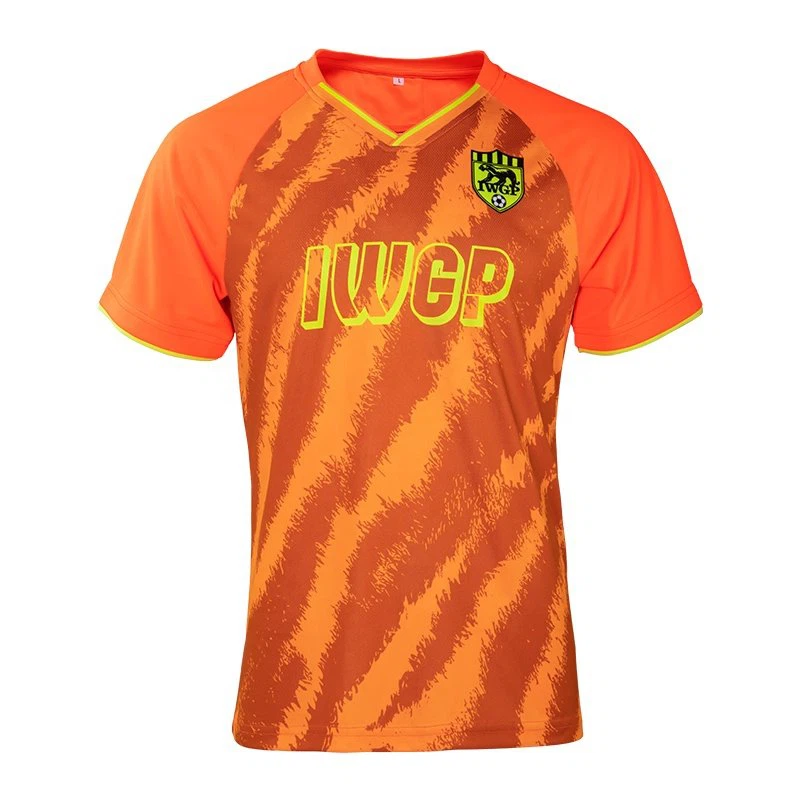


Identification And Representation: Jerseys display a team's colors, logo, and sponsorship details, which are crucial for identification during matches. They also represent the team's brand and identity.
Performance Enhancement: Modern rugby jerseys are constructed with advanced materials that wick sweat, improve breathability, and enhance flexibility, all of which contribute to improved athletic performance.
Comfort And Protection: The materials used in rugby jerseys help to regulate body temperature and reduce friction, thereby offering a degree of comfort and protection during physical contact.
Marketing And Sponsorship: Jerseys provide a platform for teams to promote sponsors, which is an essential source of revenue for clubs. Sponsorship deals often cover the costs associated with producing and maintaining team kits.
Team Cohesion: Wearing a uniform jersey fosters a sense of unity and team spirit. It reinforces the idea that each player is part of a collective unit working towards a common goal.
Fan Engagement: Replica jerseys allow fans to connect with their favorite teams and players. They are often sold as merchandise and contribute to the fan experience.
Historical And Cultural Significance: Jerseys can carry significant historical value, marking milestones, commemorating special events, or honoring legendary players.
Uniformity And Regulation: In competitive matches, rugby jerseys must adhere to the regulations set by governing bodies to ensure that they do not provide an unfair advantage or cause confusion on the field.
Versatility: Some rugby jerseys are designed to be versatile enough to be used across different sports or activities, reflecting the crossover appeal of certain athletic apparel.
Material: Most modern rugby jerseys are made from polyester or a polyester blend, chosen for its durability, elasticity, and moisture-wicking properties. Some jerseys may also incorporate spandex for enhanced stretch and fit.
Fabric Technology: Advanced fabric technologies like microfiber and moisture transport systems are often used to improve sweat management and keep players dry.
Stitching: Double or triple stitching is employed to ensure durability and resistance to tearing, especially at stress points like the shoulders, sleeves, and seams.
Cut And Fit: Jerseys are designed to be form-fitting without restricting movement. They often have a tapered waist and dropped shoulders for ease of reaching and tackling. Some teams may opt for looser cuts for comfort.
Sublimation Printing: Sublimation printing allows for intricate designs and team logos to be integrated into the fabric, which helps prevent peeling, cracking, or fading even after repeated washing and intense play.
Panels: Some jerseys feature mesh panels under the arms and on the sides of the torso to increase airflow and breathability in areas prone to overheating.
Collar: Collars can vary from traditional button-up styles to more modern crew necks. They are designed for comfort and can sometimes offer additional protection against abrasions.
Tape And Panels: High-visibility panels or tape may be added for safety, particularly in low-light conditions or for training sessions.
Climate Considerations: Jerseys may be designed differently depending on the climate in which they will be used. Thicker, warmer materials might be used for cold-weather play, while lighter, more breathable materials are favored for hotter conditions.
Padded Elements: Some jerseys include built-in padding in the shoulder area to protect players from injury during heavy collisions.
Tags And Labels: Tags are often placed discreetly inside the collar to prevent irritation during play. Labels include care instructions and sizing information.
Sleeves: Sleeves can be short, three-quarter length, or full length, and are designed to allow free arm movement.
Closure: The bottom hem of the jersey may have a drawstring or elastic band to keep it securely tucked into shorts or trousers without riding up during play.
Material of Rugby Jerseys
Rugby jerseys are primarily made from synthetic materials such as polyester, which is valued for its durability, stretchability, and ability to withstand the rigors of the sport. Polyester fibers are strong and resistant to pilling and tearing, making them ideal for the high-contact nature of rugby.
To enhance performance, many jerseys are blended with other fabrics like spandex or elastane, which adds elasticity for better range of motion and a more tailored fit. This combination of materials ensures that the jersey can stretch and return to its original shape without losing structural integrity.
Moisture-wicking technology is another critical aspect of rugby jersey materials. Fabrics are treated or engineered to draw sweat away from the skin to the outer layer of the garment, where it can evaporate more quickly. This keeps the athlete cooler and more comfortable during play.
Advanced engineering techniques such as sublimation printing are used to integrate team logos, patterns, and sponsorship details directly into the fabric. This process involves heating the dye so that it infuses into the fibers, resulting in a design that won't crack, peel, or fade even after extensive wear and washing.
For additional comfort and breathability, some jerseys may incorporate mesh panels or ventilation zones in high-sweat areas like underarms and along the sides of the torso. These panels are often made from even more lightweight and breathable materials.
In colder climates or for matches taking place in cooler conditions, rugby jerseys may be thicker or have additional thermal properties to retain heat and keep players warm.
Process of Rugby Jerseys
Design Conceptualization: Designers collaborate with teams to create a concept that reflects the team's identity. This includes choosing color schemes, logos, and any unique graphics or patterns.
Fabric Selection: Engineers select appropriate fabrics based on the intended use of the jerseys. Performance fabrics like polyester with moisture-wicking properties are typically chosen, and the material is often pre-treated for sublimation printing.
Sample Making: Prototypes are created to test the design and fit. Engineers may adjust the pattern to ensure optimal comfort and mobility.
Sublimation Printing: The chosen design is printed onto transfer paper using specialized printers. The design is then heat-pressed onto the fabric, allowing the ink to permeate the fibers for a long-lasting finish.
Cutting: Using computerized cutting machines, the fabric is cut into individual jersey pieces according to the pattern.
Stitching and Assembly: The pieces are sewn together on industrial sewing machines. Attention is paid to the quality of the stitching to ensure durability.
Quality Control: Each jersey is inspected for defects such as misaligned seams, loose threads, or printing errors.
Laundering: To minimize shrinkage and set the fabric, the finished jerseys are laundered before being packed.
Packaging and Distribution: Once approved, the jerseys are packaged and shipped to retailers or directly to the teams.
How to Maintain Rugby Jerseys
Maintaining rugby jerseys properly is essential to extend their lifespan and preserve their performance characteristics. Here are detailed steps on how to do so

Washing instructions
Hand wash or machine wash: Check the care label for specific instructions. If hand washing is recommended, use cold water and gentle detergent. For machine washing, use a cold water cycle and select a gentle or sports wash setting.
Separate colors: Always wash dark and light-colored jerseys separately to prevent color bleeding.
Turn inside out: Wash the jerseys inside out to protect the exterior from abrasion and to maintain the print quality.
Use mesh bag: If machine washing, placing the jersey in a mesh laundry bag can help reduce friction and protect the fabric from snagging.
Drying instructions
Air dry: The best method for drying rugby jerseys is to hang them up or lay them flat to air dry. Avoid direct sunlight, as it can cause colors to fade.
Do not tumble dry: High temperatures from tumble drying can shrink the fabric and damage the print.


Storage tips
Store unfolded: Hang the jerseys in a closet or on a hanger to prevent wrinkles and keep them ready for use. Folding can cause permanent creases.
Avoid humidity: Store jerseys in a dry place to prevent mildew and odor buildup.
Keep away from heat: High temperatures can degrade the fabric and cause the colors to fade.
Additional care
Spot clean stains: Use a mild detergent and a damp cloth to spot clean any stains as soon as possible. Do not rub hard, as this can damage the fabric.
Ironing: If necessary, iron on a low heat setting with a pressing cloth to protect the fabric and print.
Avoid chemicals: Do not use bleach or harsh chemicals, as they can ruin the material and fade the colors.

Selecting rugby jerseys involves considering factors such as material, fit, design, and functionality to ensure comfort, durability, and team representation. Here's a comprehensive guide:
Material Quality:
- Look for jerseys made from high-quality synthetic materials like polyester, which provide durability and stretchability.
- Choose fabrics with moisture-wicking properties to keep players dry and comfortable during intense games.
- Consider jerseys with breathable panels or mesh inserts for added ventilation.
Fit And Comfort:
- Opt for a jersey that fits well but allows for a full range of motion. It should not be too tight or too loose.
- Test the fit by moving your arms and bending at the waist.
- Ensure the neckline and sleeve openings are comfortable and do not chafe.
Design Features:
- Choose a design that represents your team's brand and spirit. This includes colors, logos, and any unique graphics.
- Sublimation printing is preferred as it integrates the design into the fabric, reducing the risk of peeling or fading.
- Look for jerseys with reinforced stitching, especially around seams and high-wear areas like the collar and sleeves.
Functionality:
- If available, consider ergonomic designs that reduce drag and improve athletic performance.
- Some jerseys include features like anti-odor treatments to keep players fresh throughout the game.
Brand reputation
- Choose a reputable brand known for producing high-quality sportswear, as they often offer better materials and construction.
- Research customer reviews and ratings to gauge the performance and durability of different jerseys.
Price
Set a budget that aligns with the quality you are seeking. Higher-priced jerseys may offer superior materials and features, but there are also cost-effective options that provide good value.
Availability
- Ensure that the jerseys are readily available in the correct sizes for all team members.
- If purchasing online, check the seller's return policy in case of size or fit issues.
What Are the Trends and Development Directions of Rugby Jerseys in the Market
In the market, rugby jerseys are evolving with trends focusing on performance enhancement, sustainability, and innovative design. Here are some key developments:
Materials: Manufacturers are incorporating advanced fabrics that offer improved moisture management, breathability, and quick-drying properties. These materials help athletes stay cool and comfortable during games and training.
Ergonomic design: Jerseys are being designed with aerodynamics in mind, featuring contoured cuts and strategic seam placements to reduce wind resistance and improve speed.
Body mapping: Advanced body mapping techniques ensure that different parts of the jersey offer varying levels of compression and flexibility, catering to the body's movements and needs in various playing positions.
Recycled materials: There is a growing trend towards using recycled polyester, which reduces the environmental impact by repurposing plastic waste into performance wear.
Eco-friendly dyes and inks: Waterless printing processes and dyes that are less harmful to the environment are becoming more prevalent in the production of rugby jerseys.
Sublimation printing: High-definition sublimation printing allows for complex and vibrant designs that do not crack or peel, ensuring longevity and a professional appearance.
Customization: Brands are offering greater customization options, allowing teams to personalize their kits with unique designs, player names, and numbers.
Smart technology integration: Some jerseys now incorporate smart technology, such as built-in GPS tracking for performance monitoring, or RFID chips for player identification and data collection.
Collaborations: Rugby jerseys increasingly feature collaborations with other brands or popular culture icons, creating limited edition or themed apparel that appeals to a broader audience.
Lifestyle apparel: Beyond the pitch, rugby jerseys are becoming fashionable off the field, with lifestyle versions that appeal to fans and casual wearers.
Improved fit: Jerseys are being engineered for a better fit, utilizing stretch materials and updated patterns to accommodate a variety of body types without restricting movement.
Anti-odor technologies: Many jerseys now incorporate antimicrobial treatments to reduce odor, making them more pleasant to wear after intense play.
The design of rugby jerseys has evolved significantly since the sport's inception in the mid-19th century, reflecting changes in materials, technology, fashion, and the sport's commercialization.
Initially, rugby jerseys were simple cotton shirts with buttons at the neck. The design was utilitarian, focusing on functionality rather than aesthetics or performance. As the sport became more organized and competitive, teams began to adopt distinct uniforms to represent their clubs or national sides. These uniforms often consisted of heavy woolen shirts and knickers, which were practical for the weather conditions in England and Scotland where the sport originated.
In the early 20th century, the design of rugby jerseys started to become more standardized. Collars became a common feature, and the traditional hooped or striped patterns emerged as signature designs for many teams. These patterns not only served as a means of identification but also helped to distinguish players from opposing teams on a muddy pitch.
The introduction of synthetic materials in the latter half of the 20th century marked a significant shift in the design of rugby jerseys. Polyester and similar fabrics replaced wool, offering lighter weight, better durability, and improved breathability. The adoption of these materials allowed for tighter-fitting jerseys that reduced wind resistance and enhanced players' performance on the field.
The late 20th and early 21st centuries saw the incorporation of advanced technologies into jersey design. Body mapping techniques enabled manufacturers to create garments with varying levels of compression and flexibility, optimizing player comfort and movement. Ergonomic cuts and strategic ventilation through mesh panels further refined the performance-enhancing features of rugby jerseys.
Sustainability has become a key consideration in recent years, leading to the use of recycled materials and eco-friendly dyes in jersey production. Manufacturers are increasingly looking for ways to reduce the environmental impact of their products while maintaining performance standards.
Commercially, rugby jerseys have become a canvas for sponsorship and branding. Logos and advertisements have grown in size and prominence on kits, reflecting the increasing financial importance of sponsorship deals to teams and governing bodies.
In terms of aesthetics, modern rugby jerseys often feature bold colors and dynamic graphics, influenced by contemporary fashion trends and the desire to appeal to a broader audience. Limited edition jerseys and themed designs for special occasions or tournaments have also become popular.
How Do Rugby Jerseys Differ from Other Sports Jerseys?
Rugby jerseys differ from those in other sports due to the unique physical demands of the game, the nature of play, and the sport's traditions. Here are some key differences:
Material: Modern rugby jerseys are typically made from synthetic materials like polyester, which provide durability, moisture-wicking properties, and stretch to accommodate the dynamic movements of rugby players. While other sports such as soccer and American football also use synthetic materials, the specific blend and weave might vary to suit the sport's requirements.
Fit And Design: Rugby jerseys are designed to be form-fitting to minimize drag during play but still allow for a wide range of motion. They often have a tapered cut that is looser around the torso compared to tight-fitting football or basketball jerseys. This design choice accommodates the need for players to grab onto each other during tackles without the fabric ripping.
Durability: Rugby involves a lot of contact and grappling, so rugby jerseys are constructed to be more robust than those of non-contact sports. Seams and stitching are reinforced, and the material may be thicker or double-layered in areas prone to wear and tear.
Collar Design: Many rugby jerseys feature a collar, which can range from a traditional button-up style to a more modern polo collar. This design element is less common in other team sports, although it can be seen in lacrosse or hockey jerseys.
Number Placement: In rugby, numbers are usually placed on the back of the jersey and sometimes on both the front and back to ensure visibility from all angles. In contrast, soccer jerseys typically have numbers only on the back, and basketball jerseys have numbers on the front and back as well as on the shorts.
Traditional Elements: Rugby jerseys often incorporate traditional designs such as hoops, stripes, or quartered patterns, which are part of the club or national team’s heritage. While other sports have traditional elements too, rugby has a strong culture of maintaining historical design motifs.
Sponsorship Visibility: Rugby jerseys are known for having prominent sponsorship logos, which are strategically placed for maximum visibility. This is similar to many team sports; however, the size and placement can vary based on the league's regulations and the team's marketing strategies.
Shorts: Rugby shorts tend to be shorter and baggier compared to the tight-fitting compression shorts worn in sports like American football or basketball. This design provides freedom of movement and space for protective padding.
Socks: Rugby socks are often longer and thicker than in other sports, providing additional cushioning for the shins and calves during scrums and rucks.
Our Factory
Established in 2014, Beyond is dedicated to be the best sportswear manufacturer in China, we have rich experience in helping customers like you to produce your own sport suits, also, Beyond has the newest automatic blade cutting technology and quality inspection to ensure the high quality. Use eco-friendly materials and keep the advantages of regular materials is our target in the future, we hope to share our vision & mantra of sustainability. We have the great passion to assist our customers to build the best sport suits and our whole team will be ready here to help.

Our Certificate

FAQ
We're well-known as one of the leading rugby jerseys manufacturers and suppliers in China. If you're going to wholesale bulk rugby jerseys with low price, welcome to get free sample from our factory. Also, customized service is available.