


Hockey Jerseys
In 2014, Beyond was founded by Larry, our visionary founder, with the goal of providing one-stop custom clothing solutions to customers. With a passion for excellence and a focus on delivering top-notch one-to-one services, Larry established a team that would revolutionize the way customers approach custom clothing. His inspiration came from a challenging experience while organizing an event in China. The complex processes, communication difficulties, and poor quality products he encountered convinced him that there had to be a better way.
Thus, Beyond was born - a company that would leverage a comprehensive knowledge-based approach to provide customers with the best experience possible. By combining design, quality, and price assistance, our team of highly professional seamstresses, tailors, and sales professionals can help customers find the perfect design and custom solution. From selecting the best fabric to controlling production and logistics transportation, we leave no stone unturned in delivering the ultimate customer experience.
As of 2023, we have continued to innovate and upgrade our technologies. we are proud to have upgraded to fully automated blade cutting machines, which not only offer precision and accuracy in our cutting processes, but also have a significant positive impact on the environment. Compared to traditional cutting methods, our blade cutting machines produce less waste, consume less energy, and emit fewer greenhouse gases. This translates to a more sustainable and environmentally friendly manufacturing process. Additionally, we further demonstrate our commitment to the environment by providing RPET fabrics - made from recycled materials - to support environmental protection. At Beyond, we believe that every step we take towards sustainability helps make a positive impact on the planet.
Why Choose Us?
High Quality
Our products are manufactured or executed to very high standards, using the finest materials and manufacturing processes.
Competitive Price
We offering a higher-quality product or service at an equivalent price. As a result we have a growing and loyal customer base.
Rich Experience
Our company has many years of production work experience. The concept of customer-oriented and win-win cooperation makes the company more mature and stronger.
Global Shipping
Our products support global shipping and the logistics system is complete, so our customers are all over the world.
After-sale Service
Professional and thoughtful after -sales team, let you worry about us after -sales Intimate service, strong after -sales team support.
Advanced Equipment
A machine, tool or instrument designed with advanced technology and functionality to perform highly specific tasks with greater precision, efficiency and reliability.


What is Hockey Jerseys?
Hockey jerseys refer to the uniforms worn by players in the sport of ice hockey, field hockey, or bandy. Each type of hockey has its own distinctive style of jersey, tailored to the sport's demands and the cultural aspects of the leagues and teams.
Benefits of Hockey Jerseys
Team Identity: Jerseys help establish a team's visual identity, making it recognizable to fans, opponents, and officials. The unique combination of colors, logos, and designs fosters a sense of unity and pride among players.
Durability: Constructed from synthetic materials like polyester, hockey jerseys are designed to withstand the rough physicality of the game. The fabrics are resistant to tears and abrasions, ensuring longevity even with frequent wear.
Comfort And Performance: High-quality hockey jerseys are engineered to wick away sweat, keeping players cool and comfortable during intense games. The moisture management properties help maintain optimal performance by preventing overheating and chafing.
Mobility: The jerseys are tailored to allow a full range of motion. The stretchy materials enable players to skate, turn, and shoot without restriction, enhancing their athletic abilities on the ice or field.
Protection: Although not as bulky as pads, hockey jerseys can offer a certain level of protection. The thicker material can absorb some impact, reducing the risk of bruises and minor injuries.
Branding And Marketing: Jerseys are an excellent platform for team sponsors and advertisers. The exposure gained through players wearing the jerseys during games can be valuable for marketing purposes and revenue generation.
Fan engagement: Replica jerseys allow fans to feel connected to their favorite teams and players. Wearing a team jersey helps fans express their support and creates a sense of community among supporters.
Safety Regulations: In some cases, hockey jerseys are designed to meet specific safety standards, such as having visible number for identification or using reflective materials for better visibility.
Customization: Players often have the opportunity to personalize their jerseys with their names and numbers, which adds a layer of uniqueness and can boost morale.
Versatility: Some hockey jerseys are designed to be versatile enough to be worn not just on the ice or field but also as casual wear off the pitch, increasing their utility and value.
Types of Hockey Jerseys
Professional Jerseys: These are high-end jerseys used by professional teams in major leagues like the National Hockey League (NHL), Kontinental Hockey League (KHL), or international competitions. They are typically made with premium materials, advanced moisture-wicking technology, and sublimation printing to ensure durability and vibrant graphics.
Replica Jerseys: These are fan versions of professional jerseys, designed to look like the ones worn by players but usually made with less expensive materials and without the same performance features. They are intended for supporters to wear casually or to games.
Authentic Jerseys: These jerseys are designed to closely resemble the ones worn by players during games, including the same cut, materials, and construction. They often come with additional details like fight straps and are considered a step up from replicas in terms of quality and price.
Practice Jerseys: These are more casual and less durable than game jerseys. They are typically used for training sessions and are made from lighter and more breathable materials. Practice jerseys may not have the same level of detailing as game jerseys and are meant to be more cost-effective.
Youth Jerseys: These are scaled-down versions of adult jerseys, designed specifically for younger players. They use child-friendly materials and are available in smaller sizes. Youth jerseys may also feature simplified designs to make them more affordable.
Retro Jerseys: These are vintage-style jerseys that pay homage to historical team designs. They often feature older color schemes, logos, and typography and are popular for special throwback nights and to appeal to fans of the team's past.
Alternate Jerseys: Many teams have special alternate jerseys that they wear occasionally throughout the season. These designs can range from subtle changes to bold new color schemes and graphics, offering a break from the traditional team look.
Goalie Jerseys: Goalie jerseys differ significantly from those of outfield players. They are often padded at the elbows and chest for added protection and have unique designs that distinguish them from other team members.
Application of Hockey Jerseys
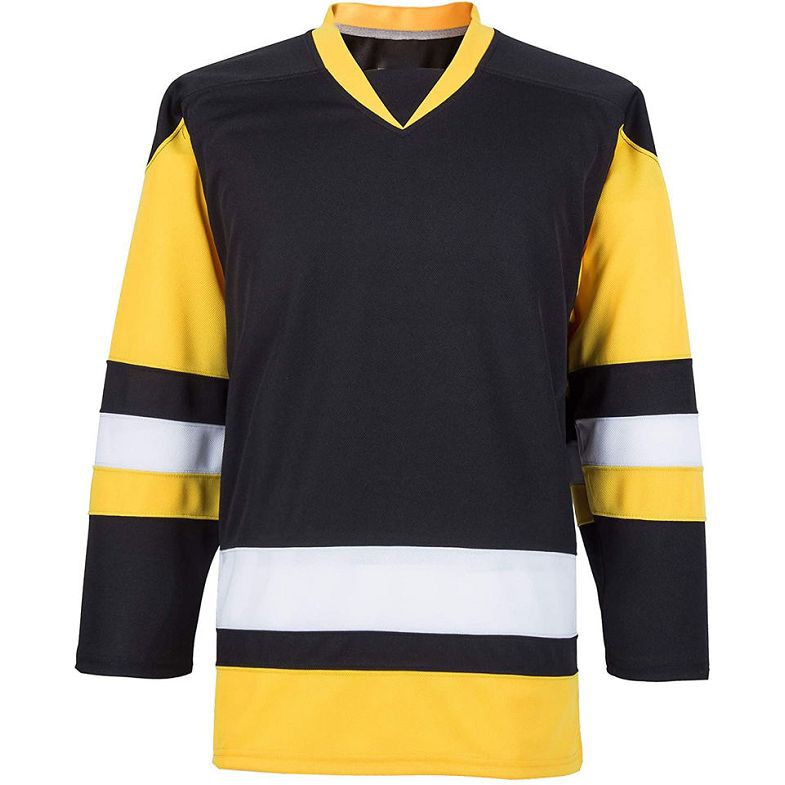


Identification And Uniformity: Jerseys are critical for identifying players on the ice or field. Each player wears a unique number and name on their jersey, allowing referees, opponents, and spectators to easily recognize individuals. This uniformity also fosters a sense of team spirit and belonging.
Performance Enhancement: Modern hockey jerseys are designed with performance in mind. They are constructed from moisture-wicking materials that help regulate body temperature and improve comfort during play. The fabrics are chosen for their durability, stretchability, and ability to withstand the physical demands of the sport.
Marketing And Branding: Jerseys are walking billboards for teams and sponsors. They prominently display logos, team names, and sponsorships, providing significant exposure during games and media coverage. This aspect is crucial for team merchandise sales and for attracting sponsorship deals.
Fan Engagement: Fans often purchase replica jerseys to show their support for their favorite teams. Wearing a team jersey allows fans to feel connected to the team and can create a sense of community among fellow supporters. Jerseys are also collected as memorabilia, particularly those associated with famous players or historic moments.
Revenue Generation: Jerseys contribute to a team's revenue streams. Teams sell authentic and replica jerseys to fans, which can generate substantial income. Additionally, teams may enter into partnerships with manufacturers to produce limited-edition or commemorative jerseys that are sold at higher prices due to their exclusivity.
Cultural Expression: Jerseys can reflect a team's culture and heritage. Retro designs and special edition jerseys celebrate team history and traditions, while alternates can showcase creativity and modern trends. This cultural expression is important for maintaining a connection between the team and its fan base.
Safety Regulations: In youth and amateur leagues, jerseys often incorporate bright colors and reflective materials to enhance player visibility, which is a key factor in promoting player safety.
Team Cohesion: Wearing the same jersey helps build camaraderie among teammates. It represents a shared identity and can contribute to a unified team effort on the ice or field.
Special Events: Jerseys are often customized for special events such as charity games, international tournaments, and milestone celebrations. These unique designs add to the significance of the event and can become collector's items.
Components of hockey jerseys
Base Layer: This is the innermost layer of the jersey, often made from moisture-wicking fabric to keep the player dry. Materials like polyester, nylon, or blends are common due to their breathability and quick-drying properties.
Shell: The outer layer of the jersey is designed to protect against abrasions and provide flexibility. It is usually made from a blend of materials that offer stretch, resistance to tearing, and sometimes padding in critical areas like the elbows for goalies.
Sublimation Printing: High-quality hockey jerseys utilize sublimation printing for team logos, numbers, and player names. This process involves dyeing the fabric itself rather than printing onto it, ensuring that the designs do not crack, peel, or fade even after repeated washing and wear.
Stitching: Reinforced stitching is used throughout the jersey to prevent tears and fraying under the stress of gameplay. Double or triple stitching is commonly found on seams, hems, and around critical areas like the neckline and armholes for added durability.
Neckline: The neckline can vary from a basic crew neck to a V-neck or Henley style. It is usually reinforced with a ribbed material for comfort and to maintain shape over time.
Shoulder Pads: While shoulder pads are a separate piece of equipment, they are an essential part of a player’s overall kit and must be compatible with the jersey. They should fit snugly under the jersey to allow full movement and protection.
Arm Holes: These are designed to be wide enough to accommodate shoulder pads and allow free arm movement. The material around the armholes is often reinforced to prevent stretching.
Hem: A strong hem is crucial to prevent the jersey from riding up during play. It is typically double-stitched and may include a gripper hem to keep the jersey in place.
Fight Strap: Some professional jerseys have a fight strap, also known as a tear-away strip, running through the bottom of the jersey. This is designed to allow a player to quickly remove the jersey if it gets caught during a fight or altercation.
Number Placement: Numbers are strategically placed on the back and front of the jersey to ensure visibility. They are often backed with a heat-applied material to adhere to the jersey and resist peeling.
Patches And Logos: Team patches, league badges, and sponsorship logos are applied to the jersey with precision. They are typically embroidered or heat-sealed to the fabric.
Ventilation: Some jerseys may include mesh panels or ventilation holes to improve airflow and keep the player cool during intense play.
Material Composition: The exact composition of a hockey jersey will vary depending on the manufacturer and the league's specifications. Common materials include polyester, spandex for stretch, and nylon for strength and resilience.
Colorfastness: The colors in the jersey are treated to be colorfast, meaning they won't bleed or fade when washed, maintaining the integrity of the team's visual identity.
Material of Hockey Jerseys
Polyester: This synthetic fabric is widely used because it is lightweight, durable, and resistant to wrinkles. Polyester dries quickly, which is essential for athletes who sweat profusely. It's also easy to care for and maintain, making it ideal for team uniforms.
Spandex (elastane): Often blended with polyester, spandex provides the necessary stretch and flexibility for athletes to move freely without restriction. This elasticity is particularly important for the sleeves and torso of a hockey jersey, allowing players to reach, turn, and bend with ease.
Nylon: Another synthetic material, nylon is valued for its strength and abrasion resistance. It is sometimes used as a base layer in areas that require extra durability, such as the elbows for goalie jerseys. Nylon also has good elasticity and can be combined with other fibers to enhance a jersey's overall performance.
Mesh Panels: For improved ventilation and breathability, many hockey jerseys incorporate mesh panels. These panels are typically made from a lighter, more breathable type of polyester or a mesh fabric that allows air to circulate better around the body, helping to keep the player cool.
Moisture-wicking Technology: Many modern hockey jerseys are treated or designed with moisture-wicking capabilities. This technology draws sweat away from the skin to the surface of the fabric, where it can evaporate more easily, keeping the player dry and comfortable.
Colorfast and Sublimation-friendly Fabrics: To preserve the vibrancy and longevity of team logos and designs, hockey jerseys are made from materials that are colorfast. Sublimation printing is often used for these designs, so the fabrics need to withstand high temperatures without losing their color or structural integrity.
Recycled Materials: Some jerseys are made using recycled polyester, reflecting a growing trend towards sustainability in sports apparel. Recycled materials reduce environmental impact while maintaining the performance characteristics required for athletic wear.
Process of Hockey Jerseys
Design Conceptualization
The initial stage involves the creation of a design concept. This includes choosing the team's color scheme, logo placement, sponsors' logos, and any unique patterns or graphics. Design software is used to mock up the jersey, ensuring that all elements are visually balanced and comply with league regulations.
Material Selection
Based on the design requirements, manufacturers select appropriate fabrics. This involves choosing materials that offer the right balance of durability, comfort, breathability, and stretch. Materials are also chosen based on their suitability for sublimation printing, which is the preferred method for incorporating detailed designs into jerseys.
Pattern Making
IOnce the design is finalized, a pattern is created. This pattern serves as a template for cutting the fabric into the correct shapes and sizes needed for each jersey. Pattern making ensures that the design aligns properly on the finished garment and allows for the necessary range of motion for the players.
Cutting
Using computer-controlled cutting machines, the fabric is cut according to the established pattern. Precision in this step is crucial to avoid wastage and to ensure that all pieces fit together seamlessly.
Sublimation Printing
The pre-cut fabric pieces are then subjected to sublimation printing. During this process, ink is heated to a gas and infused into the fabric, resulting in a permanent bond between the design and the material. This technique allows for complex, full-color designs without affecting the fabric's performance properties.
Sewing Assembly
After printing, the fabric pieces are assembled using industrial sewing machines. Skilled workers or automated systems sew together the various parts, including the main body, sleeves, and any additional panels. Reinforced stitching is used in high-stress areas to increase durability.
Quality Control
Each jersey goes through a rigorous quality control process. This includes checking for proper alignment of graphics, ensuring the stitching is secure, and verifying that all aspects of the jersey meet the intended specifications.
Final Touches
Additional features such as fight straps, neck tags, or labels indicating size and team information are added. Collars and hemlines may be finished with binding or other treatments for comfort and aesthetics.
Packaging And Distribution
Once approved, the jerseys are packaged and shipped to teams. Proper packaging ensures that the jerseys arrive without damage and are ready for use.
How to Maintain Hockey Jerseys

Follow Washing Instructions: Always check the care label on the jersey for specific instructions. Most hockey jerseys should be washed in cold water with a gentle cycle to prevent damage to the fabric and printed graphics.
Use Appropriate Detergent: Use a detergent formulated for activewear or sports fabrics, as these detergents are designed to remove sweat and odor without causing damage to moisture-wicking materials. Avoid fabric softeners, as they can leave a residue that affects the jersey's performance.
Air Dry Only: After washing, hang the jersey to air dry. Do not use a dryer, as the heat can shrink the fabric, damage the print, and weaken the material. High heat can also cause creases that are difficult to remove.
Store Properly: Store the jersey flat or on a hanger to prevent stretching or deformation. If hanging, use a wide, padded hanger to distribute the weight evenly across the shoulders. Avoid stuffing the jersey into a small space, which can lead to wrinkles and distortion.
Avoid Direct Sunlight: Store the jersey in a cool, dark place to protect the colors from fading due to prolonged exposure to sunlight.
Sublimation Printing: The pre-cut fabric pieces are then subjected to sublimation printing. During this process, ink is heated to a gas and infused into the fabric, resulting in a permanent bond between the design and the material. This technique allows for complex, full-color designs without affecting the fabric's performance properties.
Sewing Assembly: After printing, the fabric pieces are assembled using industrial sewing machines. Skilled workers or automated systems sew together the various parts, including the main body, sleeves, and any additional panels.
Reinforced stitching is used in high-stress areas to increase durability.
Quality Control: Each jersey goes through a rigorous quality control process. This includes checking for proper alignment of graphics, ensuring the stitching is secure, and verifying that all aspects of the jersey meet the intended specifications
Final Touches: Additional features such as fight straps, neck tags, or labels indicating size and team information are added. Collars and hemlines may be finished with binding or other treatments for comfort and aesthetics.
Packaging And Distribution: Once approved, the jerseys are packaged and shipped to teams. Proper packaging ensures that the jerseys arrive without damage and are ready for use.

Follow Washing Instructions: Always check the care label on the jersey for specific instructions. Most hockey jerseys should be washed in cold water with a gentle cycle to prevent damage to the fabric and printed graphics.
Use Appropriate Detergent: Use a detergent formulated for activewear or sports fabrics, as these detergents are designed to remove sweat and odor without causing damage to moisture-wicking materials. Avoid fabric softeners, as they can leave a residue that affects the jersey's performance.
Air Dry Only: After washing, hang the jersey to air dry. Do not use a dryer, as the heat can shrink the fabric, damage the print, and weaken the material. High heat can also cause creases that are difficult to remove.
Store Properly: Store the jersey flat or on a hanger to prevent stretching or deformation. If hanging, use a wide, padded hanger to distribute the weight evenly across the shoulders. Avoid stuffing the jersey into a small space, which can lead to wrinkles and distortion.
Avoid Direct Sunlight: Store the jersey in a cool, dark place to protect the colors from fading due to prolonged exposure to sunlight.
Handle With Care: When putting on or taking off the jersey, avoid pulling roughly on the fabric or graphics. Treat the jersey gently to prevent tears or snags.
Spot Clean Stains: If a stain occurs, spot clean the area promptly with a mild detergent and a damp cloth. Avoid rubbing too hard, and test the cleaning agent on a small, inconspicuous area first to ensure it does not damage the fabric or print.
Avoid Ironing Over Graphics: If ironing is necessary, do so on the reverse side of the fabric and at a low temperature. Never iron directly over printed graphics, as the heat can melt the ink or cause it to peel.
Professional Cleaning: For heavily soiled or delicate jerseys, consider professional cleaning services that specialize in sports apparel. Professional cleaners have the experience and equipment to handle specialized fabrics and intricate designs without causing damage.
How to Choose Hockey Jerseys
Team Affiliation: Decide whether you want to represent a professional team, a college or university team, or a local recreational league. This will determine the availability of officially licensed jerseys with team logos and colors.
Authenticity: Consider if you prefer an authentic (replica) jersey, which is closer to what the players wear, or a standard replica, which is more casual and often less expensive. Authentic jerseys typically have higher-quality materials and construction but come with a higher price tag.
Fit: The fit of a hockey jersey is important for both comfort and mobility. Measurements should be taken carefully to ensure the best fit. Some jerseys are designed to be slightly baggy to allow for layering underneath, while others are more form-fitting.
Material: Look for jerseys made of lightweight, moisture-wicking fabrics that keep you dry and comfortable during play. Performance materials also provide better durability and resistance to tearing.
Design: Personal taste plays a significant role in selecting a hockey jersey. Consider the colors, patterns, and overall aesthetic of the design. Some jerseys feature bold, eye-catching designs, while others have a more classic look.
Brand And Manufacturer: Research different brands and manufacturers to find out about their reputation for quality and customer service. Well-known brands often offer a wider range of styles and better quality assurance.
Price: Set a budget for your jersey purchase and look for the best value within your price range. Keep in mind that higher-priced jerseys may offer better quality and longer-lasting materials.
Reviews And Recommendations: Read reviews from other buyers and seek recommendations from coaches, teammates, or knowledgeable sales associates. Feedback from users can provide valuable insights into the performance and comfort of a particular jersey.
Availability: Check the availability of the desired jersey in your size and preferred specifications. Some jerseys may be limited edition or only available in certain sizes, which could affect your decision.
Additional Features: Consider any additional features that might be important for you, such as ventilation panels, reinforced elbows, or a fight strap (for goalies).
By taking these factors into account, you can choose a hockey jersey that not only looks great but also performs well on the ice and represents your personal style or team pride effectively.
What Are the Trends and Development Directions of Hockey Jerseys in the Market
Performance fabrics: Manufacturers are continually researching and developing new materials that enhance performance and comfort. These include moisture-wicking, quick-drying, and breathable fabrics that keep players cool and dry.
Durability: Improved stitching and fabric blends contribute to increased durability, ensuring jerseys can withstand the rigors of the sport without easily tearing or wearing out.
Sublimation printing: This technique allows for complex designs and gradients to be printed directly onto the fabric, resulting in vibrant and long-lasting images that don’t crack or peel.
Retro and classic designs: There's a resurgence of interest in vintage hockey jerseys, leading to modern updates of classic designs and color schemes.
Customization: Players and fans increasingly seek personalized jerseys with custom names, numbers, and unique designs, driving growth in custom apparel services.
Collaborations: Partnerships with popular culture icons, artists, and other sports leagues can result in limited-edition jerseys that attract collectors and enthusiasts.
Eco-friendly materials: Brands are looking to use recycled polyester and other sustainable materials in their jerseys to reduce environmental impact.
Ethical production: Consumers are demanding ethically produced goods, leading manufacturers to focus on fair labor practices and responsible sourcing.
Functional accessories: Jerseys are now frequently sold with matching accessories like socks, compression shirts, and track pants, creating coordinated team apparel lines.
Online customization: The rise of e-commerce has enabled consumers to easily order and customize hockey jerseys online, with many teams and leagues offering digital customization tools.
Smart technology integration: While still in early stages, there's potential for smart technology to be integrated into jerseys, such as sensors that track performance metrics or LED lights for visibility.
Uniform standards: Leagues may implement changes to uniform standards that influence jersey design, such as mandating certain materials or allowing for more creative branding opportunities.
Our Factory
Established in 2014, Beyond is dedicated to be the best sportswear manufacturer in China, we have rich experience in helping customers like you to produce your own sport suits, also, Beyond has the newest automatic blade cutting technology and quality inspection to ensure the high quality. Use eco-friendly materials and keep the advantages of regular materials is our target in the future, we hope to share our vision & mantra of sustainability. We have the great passion to assist our customers to build the best sport suits and our whole team will be ready here to help.

Our Certificate

FAQ
We're well-known as one of the leading hockey jerseys manufacturers and suppliers in China. If you're going to wholesale bulk hockey jerseys with low price, welcome to get free sample from our factory. Also, customized service is available.