


Sport Team Wear
Why Choose Us
Tailored Experience
We believe in personalised service. Our team works closely with you to understand your unique requirements, ensuring that every detail of your custom jerseys is perfect.
Innovative Designs
Our design team is constantly pushing boundaries to create cutting-edge, eye-catching designs. Whether you want a classic look or something completely out-of-the-box, we've got you covered.
Competitive Price
Quality doesn't have to come at a premium. We offer competitive pricing without compromising on the excellence that defines our products.
High Quality
We go the extra mile to ensure every jersey meets the highest standards of quality. From material selection to craftsmanship, our commitment to excellence is evident in every stitch.
What is Sport Team Wear
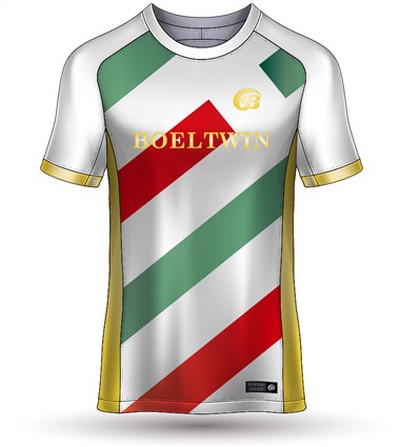
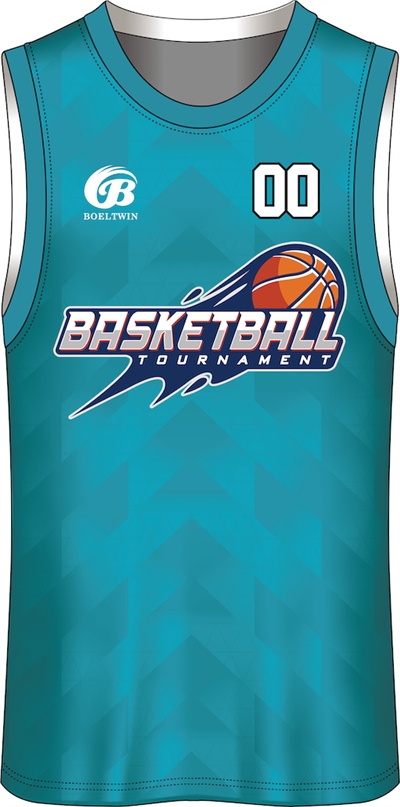
Sport team wear refers to clothing and accessories worn by members of a sports team during games, practices, and events. This may include uniforms, jerseys, shorts, socks, hats, and other items that display the team's name, logo, or colors. Sport team wear is designed to be functional and comfortable, allowing players to move freely and perform their best while representing their team. These items are often customized and personalized to each team, and can be purchased by fans to show support and solidarity with their favorite sports teams.



Advantages of Sport Team Wear
Team unity: Wearing the same team outfit provides a sense of unity and fosters a feeling of togetherness amongst team members.
Professional Appearance: Wearing a team uniform gives the team a professional look, which enhances both player and team image.
Improved Performance: Sports uniforms are designed to enhance performance, with features like moisture-wicking fabrics and underarm vents that help regulate body temperature, thus keeping the players comfortable and performing their best.
Safety: Wearing proper sportswear can reduce the risk of injuries by protecting players from environmental conditions and rough surfaces.
Easy identification: Wearing a team uniform makes it easier for the players, officials, and fans to identify the players.
Comfort: Sport team wear is designed to maximize player's efficiency, performance, and comfort.
Sport Team Wear Material
Some common materials used in sport team wear
Polyester
This is a popular material used in sports team wear because it is lightweight, durable, and easy to care for. It also wicks moisture away from the body, making it perfect for activities that involve sweating.
Nylon
This is another lightweight and durable material that is often used in sports team wear. It is resistant to tearing and can withstand high levels of activity.
Spandex
Also known as elastane, spandex is a stretchy material that provides a tight fit and allows for a full range of motion. It is often used in compression garments and is popular in sports such as gymnastics and dance.
Cotton
While not as popular as synthetic materials, cotton is still used in some sports team wear. It is breathable and comfortable, but can absorb moisture and take longer to dry.
Mesh
Mesh is a breathable material that is often used in sports team wear, especially for jerseys and shorts. It allows for air flow and can help keep athletes cool during activity.
Performance fabrics
Some sport team wear is made from specialized performance fabrics, such as Coolmax or Dri-Fit. These fabrics have moisture-wicking properties and are designed to keep athletes cool and dry during intense activity.

Applications of Sport Team Wear
Team Building activities
Wearing a uniform or team wear helps to create a sense of unity and promotes a team spirit.
Branding and advertising
Sports team wear is often used as a vehicle for branding. Many businesses advertise on sports team wear to promote their company, services or products.
Fans and supporters
Team wear is used by fans and supporters to show their support for their favourite team or sport.
Professional sports
Professional sports teams wear uniforms to differentiate themselves from their opponents. This creates a visual identity for the team and helps to promote the team’s branding.
Amateur sports
Amateur sports teams wear uniforms to create a sense of unity and to easily identify their teammates and opponents.
Physical endurance
Sports team wear is often designed to facilitate the physical demands of the sport. Uniforms are designed to be breathable, stretchable and durable to withstand the tough physical requirements of the game.
Social and Cultural Events
Clothing and team wear can be used to reflect and promote cultural and social events, such as national holidays or festivals.
Factors to Consider When Selecting Sport Team Wear
● Comfort: The first and foremost factor to consider when selecting sport team wear is comfort. The uniforms should be comfortable for the players to wear, allowing them to move freely, breathe easily and stay cool.
● Fit: The uniforms should fit well. They should not be too loose or too tight on the players. This will ensure that players are able to move comfortably and perform to their best.

Durability
Sport team wear should be made of durable material that can withstand the rough and tumble of a game. It should also be able to withstand harsh weather conditions like rain or hot temperatures.
Design
The design of the uniforms should be simple, classic and easily recognizable. It should also be consistent with the team colors and logo.
Safety
The uniforms should be designed with safety in mind. This includes designing uniforms that minimize the risk of injury, such as padding in strategic places.
Quality
The quality of the materials used in the uniforms is important. High-quality materials will ensure that the uniforms last longer, reducing the cost of replacing them frequently.
Maintenance Tips for Sport Team Wear
● Wash in cold water: When washing sports jerseys or uniforms, always use cold water to prevent the colors from fading or the material from becoming damaged.
● Use mild detergents: Avoid harsh detergents and bleach when washing sportswear, as they can cause the colors to fade, and the fabric to become damaged or scratchy. Instead, use mild detergents that are specially formulated for sportswear.
● Air-dry: To prevent shrinkage or damage caused by heat, always air dry sportswear rather than tumble drying. Hang the clothes on a hook or hanger to dry. Avoid drying them in direct sunlight.
● Store correctly: Store your sports team wear properly by folding and placing them in a sealed plastic bag. This will help prevent dust and moisture from accumulating on them.
● Protect from sun damage: When not in use, keep your sports team wear out of direct sunlight to prevent the colors from fading. UV rays from the sun can damage the fabric and cause it to weaken over time.
● Check and mend regularly: Check your sports team wear regularly for any damage or signs of wear and tear. Repair any damages like tears, pulls, or loose threads immediately to maintain them in good condition.
● Properly pack them when traveling: If your team is traveling, ensure their uniforms are correctly packed to keep them safe during the journey. Fold them properly and pack them separately from shoes or other equipment.
What are the Main Parts of Sport Team Wear?
The main parts of sport team wear can include:
Jersey/top
This is the shirt or top worn by the players during the game. It usually has the team colors, logo, and player’s number on it.
Shorts/pants
These are the bottom part of the uniform, also in team colors.
Socks
These are designed to match the team colors and come in different lengths depending on the sport.
Shoes
Sports team wear includes shoes that are specifically designed for the sport being played.
Headwear
Some sports require a specific type of headwear, such as a cap or a helmet.
Protective gear
Some sports such as rugby, ice hockey, and American football require protective gear such as helmets, pads, and mouthguards.
Warm-up jackets/pants
These are worn before and after the game to keep players warm, and usually feature the team name, logo, or colors.
Accessories
Some sports team wear includes accessories such as arm bands, wristbands, and towels.
The production process of sports team apparel
The production process of sports team apparel is a complex and multi-step process involving design, material selection, printing or embroidery, cutting and sewing, quality control, and packaging. Here is a detailed description of each step:

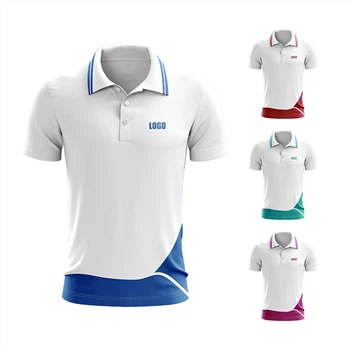


Design: The production process starts with the design process, where a team of designers creates sketches and digital mockups of the apparel. The design team works with the team's branding guidelines and colours to develop unique designs that best represent the team.
Material Selection: Once the design is finalised, the material selection process begins. The material choice for sports team apparel depends on the sport and the specific requirements of the team, such as breathability, durability, comfort, and weight.
Printing Or Embroidery: Once the design and material selection is complete, the printing or embroidery process begins. The team's logos, names, and other design elements are either printed or embroidered onto the fabric.
Cutting And Sewing: After the printing or embroidery is complete, the fabric is cut into the desired shapes, and the pieces are sewn together to create the final product. The sewing process involves using specialised machines to stitch the pieces together, ensuring a neat and tidy finish.
Quality Control: Once the apparel is sewn, it undergoes quality control checks to ensure that all elements are correct, and there is no damage or defects. If any issues are found, they are corrected before the final packaging.
Packaging: Once the quality control is complete, the apparel is packed and labelled with the team name and branding. The finished products are then shipped out to the team or retailer.
Comfort: Sports uniforms are usually made of lightweight, soft fabrics so that athletes can move freely without restriction. Team uniforms may also be designed to include stretchability to accommodate different body types.
Moisture-absorbing And Sweat-wicking: Athletes tend to sweat during competitions, so team uniforms must have good moisture-wicking and sweat-wicking functions. This keeps the athlete's skin dry and helps them regulate their body temperature better.
Protect Skin: Some sports uniforms may contain sun protection or anti-friction properties to protect athletes' skin from damage. For example, soccer goalkeeper uniforms often contain a special material to provide extra protection.
Identification: Sports uniforms usually have obvious colors and logos to help spectators and referees identify different teams. This is also a way to improve the team's image and recognition.
Functionality: Sports uniforms may contain a variety of functional elements to enhance an athlete's performance. For example, a basketball team's uniforms may include pockets or zippers to make it easier to carry basketball-related items.
Safety: In some high-risk sports, team uniforms may include reflective strips or fluorescent materials to increase athlete visibility in low-light environments.
How to Care for Your Sports Team Apparel to Extend Its Life

Cleaning precautions
Classified washing: Team uniforms of different colors should be washed separately to avoid staining each other. Dark-colored team uniforms should be washed separately from light-colored team uniforms to prevent light-colored team uniforms from being stained by dark colors.
Use appropriate detergent: Mild detergent should be chosen and avoid using bleach or strong acid and alkali detergents to avoid damaging the fabric of the team uniform.
Wash in cold water: It is best to wash in cold water and avoid using hot water to avoid deformation or shrinkage of the team uniform.
Turn over and wash: When washing the team uniforms, you should turn the team uniforms over and wash them gently with your hands. Avoid using a washing machine to stir vigorously to avoid damaging the team uniforms.
Drying And Storage
Drying: After cleaning the team uniforms, you should choose a cool and ventilated place to dry them and avoid direct sunlight to avoid discoloration or deformation of the team uniforms.
Storage: Team uniforms should be stored in a dry, ventilated place to avoid moisture and mildew. At the same time, team uniforms should be folded and stored neatly to avoid hanging or heavy pressure, which may cause deformation or damage to the team uniforms.
Regular Inspection And Repair
Regular inspection: Team uniforms should be inspected regularly for damage, cracks or other problems, and any problems found should be repaired promptly.
Repair: If the team uniform is damaged or cracked, it should be repaired in time. Repairs can be made using appropriate repair materials or sewing tools. If you cannot repair it yourself, you can ask a professional tailor to repair it.
Prevent Insect Infestation And Mildew
Insect-proof: Team uniforms should be stored in a dry, ventilated place to avoid moisture and mildew. At the same time, you can place insect repellent or mothballs in the storage area to prevent insect infestation.
Anti-mildew: If the team uniforms are stored in a humid environment for a long time, mildew may occur. Therefore, the dryness of team uniforms should be checked regularly and measures should be taken to dry them, such as using a dehumidifier or desiccant. At the same time, ensure that the storage environment is dry and ventilated.

How to Prevent Pilling or Fraying on Sports Team Clothing
When wearing and washing team uniforms, be careful to avoid prolonged friction. Try to avoid wearing uniforms with rough fabrics to reduce friction between uniforms, which can effectively prevent pilling.
Choose high-quality fabrics, such as long-staple cotton, silk, high-quality polyester, etc. These fabrics have relatively strong resistance to pilling.
Perform appropriate pre-treatment before washing, including reducing fiber length and adjusting fabric structure to prevent hair ball problems. At the same time, ensure that the fiber surface is smooth to prevent lint from appearing.
Use appropriate washing methods and detergents, and avoid using strong detergents or excessive washing to avoid damage and pilling to the fabric.
Dry and store team uniforms correctly to avoid prolonged exposure to high temperatures to prevent fabric deformation and pilling. At the same time, ensure that the storage environment is dry and ventilated to prevent mildew and insects.
Regularly inspect and repair team uniforms. If damage or cracks are found, repair them promptly to prevent the problem from expanding and affecting the appearance.
Lorem, ipsum dolor sit amet consectetur adipisicing elit. Ad, voluptas libero dolores minima possimus explicabo ipsam doloribus expedita, nulla laudantium odit tempora dolor ratione voluptatum, rerum impedit eius culpa? Iste?.
How to Effectively Clean Stains on Sports Uniforms
For smaller stains, you can use appropriate detergent to apply directly on the stain, then let it sit for a while, then scrub gently and rinse with clean water.
For larger stains or stubborn stains, you can first use an appropriate amount of detergent on a soft cloth, gently wipe the stain, and then put it in the washing machine for washing.
Avoid using too much detergent to avoid leaving residue on the team uniforms.
For stains such as oil stains or chocolate, some special detergents can be used. Before use, it should be tested in an inconspicuous place to ensure that it will not
First, stains should be treated as soon as possible without delay. The longer a stain sits, the harder it is to remove.
Avoid using bleach or strong acid and alkali detergents to avoid damaging the fabric or color of the team uniform.
When washing team uniforms, you should choose the appropriate washing mode and temperature. Gentle washing mode and moderate temperature can reduce damage to team jersey fabrics.
When drying team uniforms, you should choose a cool and ventilated place to dry, avoiding direct sunlight and high temperatures. This prevents the uniform from deforming and fading.
Functionality of Sports Team Apparel
Comfort
- Clothing version: adapts to various body types and reduces the sense of restraint.
- Fabric: Choose soft, non-irritating materials to ensure the comfort of athletes.
- Detailed design: Detailed processing such as collars, cuffs, and hems need to consider ergonomics to improve comfort.
Breathability:
- Fabric selection: Use fabrics with good breathability, such as mesh, etc.
- Design factors: Reasonable distribution of ventilation openings helps sweat escape and keeps athletes dry.
Warmth Retention
- Fabric thickness: Appropriately increase the thickness of the fabric to lock in the air and reduce heat loss.
- Filling: Use warm materials such as down for filling.
- Additional designs: such as thermal strips, inner liner, etc. to increase thermal insulation performance.
Sun Protection
- Special treatment: Anti-UV treatment on the fabric to reduce damage from sunlight.
- Fabric selection: Choose fabrics with sun protection properties, such as tightly woven cotton or synthetic materials.
- Additional designs: hats, sleeves, etc. provide additional sun protection.
Portability
- Fabric selection: Use lightweight materials such as lightweight synthetic fibers.
- Design optimization: Simplify clothing design and remove unnecessary decorations and accessories to reduce overall weight.
Color Recognition
- Eye-catching colors: Choose bright, high-contrast colors for easy identification during competition.
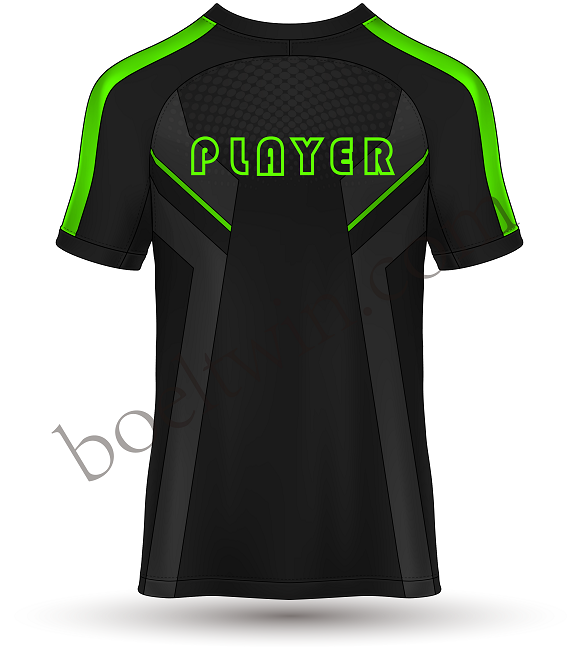
- Obvious identification: team name, team logo, player number and other identification should be clearly visible.
Material Wear Resistance
- Material selection: Use synthetic fibers with good wear resistance or specially treated natural fibers.
- Anti-wear treatment: Anti-wear treatment is performed on the fabric to improve its durability.
Reflective Warning
- Special treatment: Add reflective strips or tapes to key areas such as collar, cuffs and back.
- Improve safety: In dim or nighttime environments, it can remind other pedestrians or vehicles to ensure safety.

Our Factory
Established in 2014, Beyond is dedicated to be the best sportswear manufacturer in China, we have rich experience in helping customers like you to produce your own sport suits, also, Beyond has the newest automatic blade cutting technology and quality inspection to ensure the high quality. Use eco-friendly materials and keep the advantages of regular materials is our target in the future, we hope to share our vision & mantra of sustainability. We have the great passion to assist our customers to build the best sport suits and our whole team will be ready here to help.

certificate

FAQ
We're well-known as one of the leading sport team wear manufacturers and suppliers in China. If you're going to wholesale bulk sport team wear with low price, welcome to get free sample from our factory. Also, customized service is available.