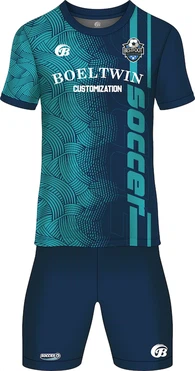
In 2014, Beyond was founded by Larry, our visionary founder, with the goal of providing one-stop custom clothing solutions to customers. With a passion for excellence and a focus on delivering top-notch one-to-one services, Larry established a team that would revolutionize the way customers approach custom clothing. His inspiration came from a challenging experience while organizing an event in China. The complex processes, communication difficulties, and poor quality products he encountered convinced him that there had to be a better way.
Thus, Beyond was born - a company that would leverage a comprehensive knowledge-based approach to provide customers with the best experience possible. By combining design, quality, and price assistance, our team of highly professional seamstresses, tailors, and sales professionals can help customers find the perfect design and custom solution. From selecting the best fabric to controlling production and logistics transportation, we leave no stone unturned in delivering the ultimate customer experience.
As of 2023, we have continued to innovate and upgrade our technologies. we are proud to have upgraded to fully automated blade cutting machines, which not only offer precision and accuracy in our cutting processes, but also have a significant positive impact on the environment. Compared to traditional cutting methods, our blade cutting machines produce less waste, consume less energy, and emit fewer greenhouse gases. This translates to a more sustainable and environmentally friendly manufacturing process. Additionally, we further demonstrate our commitment to the environment by providing RPET fabrics - made from recycled materials - to support environmental protection. At Beyond, we believe that every step we take towards sustainability helps make a positive impact on the planet.
Why Choose Us
High Quality
Our products are manufactured or executed to very high standards, using the finest materials and manufacturing processes.
Competitive Price
We offering a higher-quality product or service at an equivalent price. As a result we have a growing and loyal customer base.
Rich Experience
Our company has many years of production work experience. The concept of customer-oriented and win-win cooperation makes the company more mature and stronger.
Global Shipping
Our products support global shipping and the logistics system is complete, so our customers are all over the world.
After-sale Service
Professional and thoughtful after -sales team, let you worry about us after -sales Intimate service, strong after -sales team support.
Advanced Equipment
A machine, tool or instrument designed with advanced technology and functionality to perform highly specific tasks with greater precision, efficiency and reliability.


What is Crew Neck Soccer Jersey?
A crew neck soccer jersey refers to a style of shirt commonly worn by soccer players that features a round neckline that sits relatively close to the base of the neck. Unlike a V-neck or a high collar, the crew neck provides a simple and classic look. These jerseys are designed with moisture-wicking fabrics to keep players comfortable and dry during matches and training sessions. They often include the team's emblem, sponsorship logos, and player numbers. Soccer jerseys are also tailored to allow freedom of movement and are usually made with breathable materials to enhance performance on the field.
Benefits of Crew Neck Soccer Jersey
Comfort: The crew neck design provides a snug fit around the neck, allowing for ease of movement and preventing irritation.
Classic Style: Crew neck jerseys have a timeless look that appeals to many players and fans, giving a traditional soccer aesthetic.
Versatility: They can be paired with shorts or pants for a variety of soccer activities, from training to matches.
Breathability: Modern soccer jerseys are often made with breathable fabrics to keep players cool and comfortable during gameplay.
Durability: Quality jerseys are built to withstand the rigors of the sport, ensuring they last through many matches.
Types of Crew Neck Soccer Jersey
Standard Crew Neck Jerseys: These are basic shirts with a round neckline, offering a simple, classic design without any additional bells and whistles. They are usually made from polyester and designed for everyday wear or casual play.
Performance Jerseys: Engineered for professional and serious amateur players, these jerseys feature moisture-wicking materials, breathable fabrics, and sometimes antimicrobial treatments to keep players comfortable and fresh during intense matches.
Replica Jerseys: These are designed to mimic the look and feel of the authentic jerseys worn by professional players but are typically made with slightly lower-quality materials and without the same performance features.
Authentic Jerseys: These are the high-end, officially licensed jerseys that match those worn by professional players during games. They are constructed with premium materials and often include advanced performance technologies.
Retro Jerseys: Throwback designs that celebrate a team's history or significant milestones. They may be made with vintage-inspired materials or modern fabrics that replicate the look and feel of older jerseys.
Eco-friendly Jerseys: Made from sustainable materials such as recycled polyester, organic cotton, or bamboo, these jerseys aim to reduce the environmental impact of the apparel industry.
Smart Jerseys: Integrated with smart technology, these jerseys can track physical data such as heart rate, speed, and distance covered. They are often used in training and analytics.
Customized Jerseys: Allows for personalization with a player's name and number, making them ideal for recreational leagues or teams.
Thermal Jerseys: Designed for cold weather play, these jerseys provide insulation and warmth without compromising on mobility or breathability.
Away Jerseys: Usually in a contrasting color to the team's home kit, away jerseys are worn when playing matches at opposing teams' stadiums to ensure visibility.
Components of Crew Neck Soccer Jersey
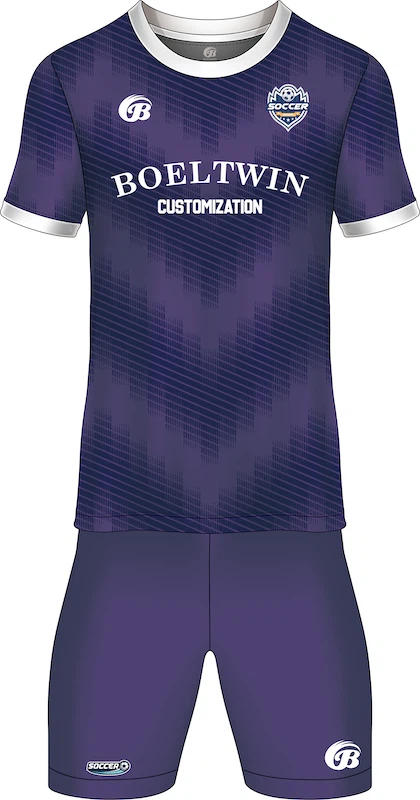
Fabric: The majority of soccer jerseys are made from polyester or a polyester blend due to its lightweight nature, durability, and ability to manage moisture. Some jerseys may incorporate spandex for additional stretch and comfort.
Neckline: The crew neck is a rounded, wide neckline that fits snugly around the neck. It is usually reinforced with a ribbed knit to maintain its shape and provide comfort.
Body Panels: The jersey is divided into panels or sections that contribute to the overall fit and flexibility. These panels are strategically placed to accommodate the body's movements during play.
Shoulders And Sleeves: The shoulder areas and sleeves are designed for freedom of movement, with elasticity to allow players to raise their arms without restriction. The junction between the sleeve and the body often includes a seam that is reinforced to prevent wear and tear.
Side Seams: These are the vertical seams that run from under the arm to the hem of the jersey. They are typically flatlocked or bonded for comfort and to prevent chafing.
Hem: The bottom hem of the jersey is usually slightly elasticized to ensure it stays tucked into shorts or pants without riding up during play.
Logos And Branding: Team crests, sponsor logos, and manufacturer badges are typically printed or embroidered onto the jersey. These elements are strategically placed to be visible but not obstructive to the player.
Moisture-wicking Technology: Many jerseys incorporate moisture management systems that help transport sweat away from the body to the outer surface where it can evaporate more quickly.
Ventilation Zones: Some jerseys may have mesh panels or ventilation zones at the back, sides, or underarms to improve air circulation and keep players cool.
UV Protection: Fabrics may be treated with UV-protective coatings to shield players from harmful sun rays.
Antimicrobial Treatment: Certain jerseys are treated with antimicrobial agents to inhibit the growth of odor-causing bacteria.
Quick-dry Finish: A quick-dry finish can be applied to the fabric to help the jersey dry faster after being washed or when it gets wet.
Reflective Elements: For safety and visibility, especially in low-light conditions, some jerseys may include reflective strips or accents.

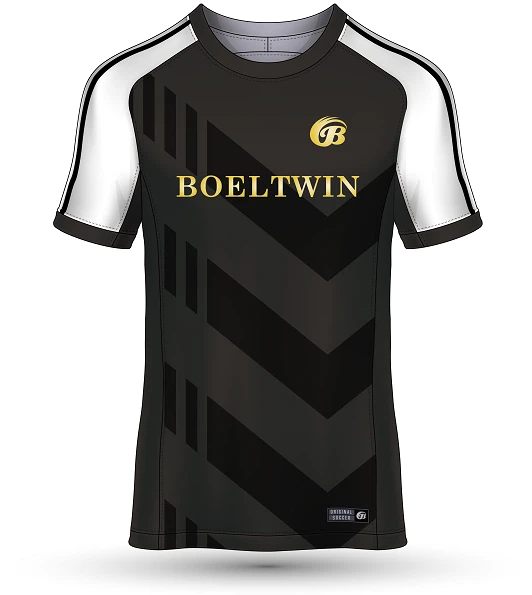
Crew neck soccer jerseys are predominantly made from synthetic materials, with polyester being the most commonly used fiber due to its versatility and performance characteristics. Polyester is a man-made, petroleum-based fabric known for its durability, resilience, and ability to withstand repeated stretching without losing its shape. Its hydrophobic nature allows it to repel water, making it ideal for moisture-wicking technologies that are essential in athletic apparel.
Design Conceptualization: The journey begins with the creative team who develop the visual concept for the jersey. This includes the team colors, patterns, sponsor logos, and any unique graphic elements that represent the team's identity.
Technical Specifications:Once the design is approved, technical specifications are created. These detail the fabric composition, color codes, logo placements, and sizing charts to ensure consistency across different batches and sizes.
Fabric Selection: Based on the desired performance attributes, the appropriate fabric is chosen. This often involves a polyester blend with added spandex for stretch. The fabric must meet specific criteria for breathability, moisture-wicking, and comfort.
Sample Production: Prototype samples are made using the chosen materials and design specifications. These samples are tested by athletes to evaluate fit, comfort, and functionality. Feedback from these trials may lead to further adjustments before mass production.
Pattern Making And Cutting:Computer-aided design (CAD) software is used to create detailed patterns of the jersey's front, back, and sleeves. Precision cutting machines then cut the fabric into these patterns, ensuring minimal waste and uniformity.
Seamstressing And Assembly: The cut pieces are assembled by skilled seamstresses who sew the panels together using industrial sewing machines. This process includes adding reinforcements at stress points like the shoulder seams and hems.
Printing: Sublimation printing is a common technique used for soccer jerseys because it allows for full-color graphics that won't crack or peel. The design is first printed onto transfer paper and then heat-pressed onto the fabric, becoming an integral part of the material.
Quality Control: Each jersey undergoes rigorous quality control checks, including inspections for correct sizing, print alignment, and stitching integrity. Defective products are removed from the batch.
Packaging And Distribution: Once the jerseys pass quality control, they are packaged according to retail specifications and shipped to distribution centers or directly to stores.
Post-production Evaluation: After production, feedback is gathered on the final product regarding its performance, durability, and aesthetic appeal. This information is used to refine future designs and production processes.
How to Maintain Crew Neck Soccer Jersey
Wash According To Label Instructions: Always check the care label for specific instructions. Most soccer jerseys are machine washable but may require particular settings or detergents.
Use Cold Water: Washing in cold water helps prevent colors from fading and reduces the shrinkage of the fabric.
Select A Gentle Cycle: Choose a gentle or delicate cycle to minimize wear and tear on the fabric and stitching.
Choose The Right Detergent: Use a mild, sportswear-specific detergent that is designed to clean synthetic fibers without causing damage. Avoid fabric softeners, as they can affect the moisture-wicking properties of the jersey.
Avoid Overloading:Do not overload the washing machine. This ensures proper agitation and rinsing, preventing snagging and reducing wear on the fabric.
Air Dry: Hang the jersey to air dry naturally. Avoid direct sunlight, as ultraviolet rays can cause colors to fade. High temperatures from tumble drying can also damage the fabric and cause premature wear.
Store Properly: Fold the jersey neatly or hang it on a wide hanger in a cool, dry place. Avoid compressing it in drawers or storage bins, as this can alter its shape.
Patch Holes And Repair Seams: If the jersey develops any holes or tears, repair them promptly to prevent further damage. Small rips can usually be fixed with a sewing kit.
Avoid Contact With Sharp Objects: Be cautious when wearing the jersey to avoid contact with sharp objects that could snag or puncture the fabric.
Rotate Jerseys: If you own more than one soccer jersey, rotate wearing them to give each one time to recover and reduce overall wear and tear.
Team affiliation: Determine if you want an official jersey of a professional team, a replica, or one with generic designs. Official jerseys often come with licensed team logos and authentic details.
Material: Look for jerseys made from lightweight, breathable fabrics such as polyester with moisture-wicking capabilities. These materials help keep players cool and dry during intense play.
Fit: Choose a jersey that fits well. It should be comfortable without being too tight or loose. Some jerseys are designed to be form-fitting for a closer fit, while others offer a looser, more relaxed style.
Design: Consider the aesthetic aspects such as color schemes, patterns, and graphics. Personal preference plays a significant role here, although some designs may reflect the team's history or symbolize specific achievements.
Brand: Some brands are known for higher quality and performance, while others may prioritize style or affordability. Research brand reputations to find a balance that suits your needs.
Sustainability: If environmental impact is important to you, look for jerseys made from recycled materials or produced by companies with sustainable practices.
Price: Set a budget based on your willingness to invest in a high-quality jersey versus a more affordable option. Prices can vary widely based on factors like brand, authenticity, and additional features.
Additional Features: Some jerseys include extra features such as UV protection, antimicrobial treatments, or reinforced seams. Consider which features might enhance your experience or comfort on the field.
Reviews And Recommendations: Read product reviews and seek recommendations from other players or coaches. Their experiences can provide valuable insights into the performance and quality of different jerseys.
Availability: Ensure the jersey you choose is readily available in your size. Limited editions or special team commemorative jerseys may be harder to find and more expensive.
Influence Factors of Crew Neck Soccer Jersey

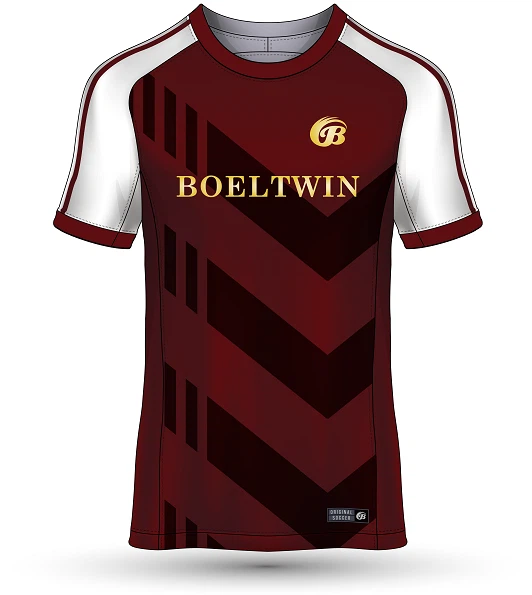
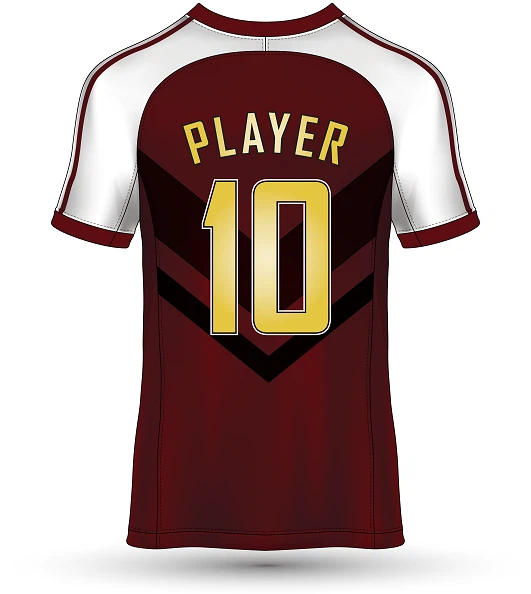
Material Composition: Soccer jerseys are typically made from synthetic fabrics like polyester due to their lightweight nature and ability to wick away moisture from the skin. The choice of material can affect breathability, flexibility, and comfort.
Fabric Technology: Innovations in textile technology have led to the development of jerseys with advanced features such as improved moisture management systems, better ventilation, and increased durability. Brands often incorporate patented technologies into their jersey designs.
Design Aesthetics: The visual design of a soccer jersey is critical for brand recognition and fan engagement. Designs may feature team badges, sponsor logos, national emblems, and unique patterns that reflect the team's identity or cultural elements.
Performance Enhancements: Some jerseys are engineered with specific performance enhancements, such as reduced drag for faster movement, strategic padding for protection, or integrated cooling zones to regulate body temperature.
Environmental Impact: There is growing consumer interest in sustainability, influencing manufacturers to produce jerseys from recycled materials or adopt eco-friendly manufacturing processes.
Regulatory Standards: International Football Federation (FIFA) and other sporting organizations set regulations regarding the safety and performance of sports apparel, including jerseys. Compliance with these standards is essential for professional use.
Cultural Significance: Soccer jerseys often serve as symbols of cultural pride and unity. Design choices may be influenced by historical events, national traditions, or social movements.
Market Trends: Fashion trends can influence jersey design, with manufacturers seeking to create stylish garments that appeal to a broader audience beyond just soccer enthusiasts.
Target Audience: The intended audience affects jersey design, whether it's for professional teams, amateur leagues, youth clubs, or casual fans. Each group may have different preferences in terms of style, fit, and price point.
Manufacturer Reputation: Established sportswear brands often have a reputation for producing high-quality gear, which can influence consumer choice. Brand loyalty and past performance can be significant factors.
Cost And Budget: The price of a soccer jersey is a key determinant for many buyers. Manufacturers must balance the cost of materials, production, and marketing with consumer affordability.
Availability And Accessibility: Jerseys must be widely available through various retail channels to reach potential buyers. Limited availability can affect demand and the jersey's popularity.
What Are the Trends and Development Directions of Crew Neck Soccer Jersey in the Market
The trends and development directions for crew neck soccer jerseys in the market are influenced by technological advancements, consumer demand, and evolving fashion styles. Here are some key areas of innovation and change:
Sustainability: With increasing awareness about environmental issues, there is a growing trend toward using sustainable materials and ethical manufacturing practices. Recycled plastics, organic cotton, and biodegradable dyes are becoming more prevalent in jersey production.
Technological Integration: Smart jerseys with embedded technology, such as heart rate monitors, GPS tracking, and temperature regulation, are gaining popularity. These features cater to the performance analytics needs of professional athletes and the health-conscious consumers.
Performance Materials: High-performance fabrics continue to be refined, offering improved breathability, stretchability, and quick-drying capabilities. Manufacturers strive to create jerseys that enhance player performance and comfort.
Customization: Consumers are increasingly looking for personalized options. Brands are providing customization services, allowing players to add their names, numbers, and even preferred designs to their jerseys.
Collaborations And Partnerships: Brands are partnering with designers, artists, and other sports entities to create limited edition and collaborative jerseys, which attract attention and generate buzz in the market.
Retro Styles: A resurgence of classic or vintage designs is observed, with modern twists on traditional team kits. This trend appeals to fans who appreciate the nostalgia and heritage associated with certain soccer teams.
Digital Printing: Advances in digital printing technology allow for more detailed and vibrant designs on jerseys, enabling complex patterns and intricate graphics that were previously difficult to achieve.
Supply Chain Optimization: Brands are focusing on optimizing their supply chains to reduce lead times and costs, ensuring that new jerseys can be brought to market quickly to capitalize on trends and team successes.
E-commerce And Direct-to-consumer Sales: The rise of online shopping has influenced how soccer jerseys are distributed and marketed. Brands are investing in direct-to-consumer sales channels to offer a more personalized buying experience and better control of the customer journey.
Global And Local Influences: Soccer jerseys are reflecting a blend of global trends with local cultures, incorporating designs that resonate with specific regions or fan bases.
What Is the Origin of the Soccer Jersey?
The soccer jersey, as we know it today, has its origins in the 19th century. Soccer clubs began to form in the mid-1800s, and with that came the need for a way to distinguish between teams on the field. Early kits were often quite simple, sometimes consisting of just a badge or emblem sewn onto a basic shirt.
The first known football (soccer) shirts were made by William Sykes, a cotton manufacturer from Nottingham, England. In 1874, he designed a blue and white striped shirt for his local team, Notts County. This style became popular among other teams in the region, leading to the adoption of similar striped designs.
As soccer gained popularity around the world, each country developed its own unique style of kit. For example, Scotland was known for its distinctive hooped shirts, while Italy favored plain shirts with a single color.
In the early 1900s, manufacturers began to get involved in the production of soccer kits. They saw an opportunity to create brand recognition through the design of the shirts. This led to more elaborate designs and the use of sponsorship logos.
Today's soccer jerseys are highly technical garments designed to improve performance on the pitch. They are made from lightweight, breathable fabrics and often incorporate moisture-wicking technology to keep players cool and comfortable during games. Sponsorship logos and team badges continue to play a significant role in the design of soccer jerseys.
Color psychology plays a significant role in soccer jersey design as it influences how fans perceive and react to the team's visual identity. Different colors can evoke various emotions and associations, which designers leverage to craft a jersey that resonates with the team's brand, history, and fan base. Here's how color psychology impacts soccer jersey design:
Emotional Response: Colors are known to affect mood and emotion. For instance, red is often associated with passion and energy, which might be used to inspire aggression and confidence in a team. Blue can represent trust and stability, which could be chosen to project a calm and professional image.
Brand Recognition: Certain colors become synonymous with specific teams over time. These iconic colors help fans quickly identify their team on the field and in merchandise, contributing to brand loyalty and recognition.
Cultural Associations: Colors can have different meanings across cultures. Designers must consider these cultural implications to avoid misinterpretation and ensure that the jersey's color palette is appropriate for the club's global audience.
Aesthetic appeal
A visually appealing color combination can make a jersey more attractive to fans and players alike, potentially increasing sales and on-field performance due to improved morale.
Marketing and sponsorship
The choice of colors may also be influenced by marketing strategies. Bright, vibrant colors can stand out on television and attract attention, which is beneficial for both the team and sponsors looking to maximize visibility.
Psychological warfare
Some teams may use colors strategically to intimidate opponents or influence referees subconsciously. Darker colors might be employed to convey dominance and power, whereas lighter colors could be used to appear more approachable and less threatening.
Our Factory
Established in 2014, Beyond is dedicated to be the best sportswear manufacturer in China, we have rich experience in helping customers like you to produce your own sport suits, also, Beyond has the newest automatic blade cutting technology and quality inspection to ensure the high quality. Use eco-friendly materials and keep the advantages of regular materials is our target in the future, we hope to share our vision & mantra of sustainability. We have the great passion to assist our customers to build the best sport suits and our whole team will be ready here to help.

Our Certificate

FAQ
Hot Tags: crew neck soccer jersey, China crew neck soccer jersey manufacturers, suppliers, factories